Table of Contents
ToggleThe right top smart home tech can change how you live, work, and relax at home. From voice-activated assistants to automated lighting, these devices offer convenience, energy savings, and improved security. Modern smart home technology connects seamlessly to smartphones and other devices, putting control at your fingertips.
This guide covers the essential categories of smart home tech worth considering in 2025. Whether you’re building a fully automated home or adding a few connected devices, these options deliver real value without unnecessary complexity.
Key Takeaways
- Top smart home tech in 2025 spans five essential categories: smart speakers, lighting, thermostats, security devices, and integration hubs.
- Smart thermostats deliver the best ROI, with average annual savings of $131-145 on heating and cooling costs plus utility rebates.
- Smart lighting offers the easiest entry point into home automation, with users reporting 10-20% energy savings through scheduling features.
- The Matter standard now enables devices from different manufacturers to work together seamlessly, simplifying your smart home tech purchases.
- Smart security devices like video doorbells and smart locks provide remote monitoring, instant alerts, and keyless entry for improved peace of mind.
- Choose a smart home hub based on your existing ecosystem—HomeKit for iPhone users, Google Home or SmartThings for Android, and Alexa for Echo owners.
Smart Speakers and Voice Assistants
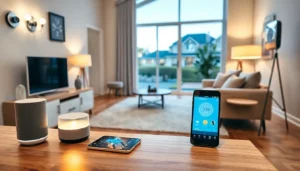
Smart speakers serve as the voice-controlled heart of any connected home. These devices respond to spoken commands, play music, answer questions, and control other smart home tech throughout the house.
Amazon Echo devices with Alexa remain popular choices for their wide compatibility and affordable price points. The Echo Dot offers solid sound quality and smart features for under $50. Google Nest speakers provide excellent integration with Google services and deliver impressive audio performance. Apple HomePod suits those already invested in the Apple ecosystem.
Voice assistants handle daily tasks like setting timers, creating shopping lists, and checking weather forecasts. They also control compatible lights, thermostats, and locks through simple voice commands. Most smart speakers now include improved privacy controls, letting users delete voice recordings and limit data collection.
For households with multiple rooms, consider placing speakers strategically to create whole-home audio and voice control access. Many users find that starting with one smart speaker naturally leads to expanding their top smart home tech collection.
Smart Lighting Systems
Smart lighting represents one of the easiest entry points into home automation. These systems replace traditional bulbs with connected alternatives that users can control remotely, schedule automatically, and customize with millions of color options.
Philips Hue leads the smart lighting market with reliable performance and extensive product options. The Hue starter kit includes bulbs and a bridge that connects up to 50 lights. LIFX bulbs offer strong colors without requiring a separate hub, connecting directly to Wi-Fi. Wyze bulbs provide budget-friendly smart home tech without sacrificing basic features.
Smart lighting delivers practical benefits beyond novelty. Automated schedules turn lights on at sunset and off at bedtime, saving energy and adding convenience. Motion sensors activate lights in hallways and bathrooms automatically. Vacation modes simulate occupancy while you’re away, improving home security.
Dimming capabilities extend bulb life and reduce electricity costs. Many users report 10-20% energy savings after switching to smart LED bulbs with scheduling features. Color temperature adjustment also supports circadian rhythms, warmer tones in the evening can improve sleep quality.
Smart Thermostats and Climate Control
Smart thermostats learn household patterns and adjust temperatures automatically, reducing energy waste while maintaining comfort. These devices represent some of the most cost-effective top smart home tech investments available.
The Nest Learning Thermostat adapts to schedules over time and includes features like Eco Mode and energy usage reports. Ecobee SmartThermostats include room sensors to eliminate hot and cold spots throughout the home. Honeywell Home offers reliable options at various price points for different budgets.
Energy savings make smart thermostats financially sensible. Studies show average annual savings of $131-145 on heating and cooling costs. Many utility companies offer rebates of $50-100 for installing qualifying smart thermostats, reducing upfront costs further.
Remote access proves valuable for adjusting temperatures while away from home. Forgot to turn down the heat before vacation? The smartphone app handles it instantly. Geofencing features detect when residents leave or return, automatically adjusting temperatures based on occupancy.
Smart thermostats also integrate with other smart home tech. Voice commands through Alexa or Google Assistant provide hands-free control. Automated routines can lower temperatures when security systems arm for the night.
Smart Security Devices
Smart security devices provide peace of mind through remote monitoring, instant alerts, and deterrent features. This category includes video doorbells, cameras, smart locks, and comprehensive security systems.
Ring Video Doorbells remain bestsellers, offering motion detection, two-way audio, and cloud recording options. Arlo cameras deliver excellent video quality with wire-free installation. Google Nest cameras integrate smoothly with other Google smart home tech and provide 24/7 recording with paid subscriptions.
Smart locks eliminate the need for physical keys while adding control features. August Smart Lock works with existing deadbolts and provides temporary access codes for guests and service providers. Schlage Encode connects directly to Wi-Fi without additional hubs. Yale smart locks offer various styles to match home aesthetics.
Professional monitoring services add another layer of protection. SimpliSafe and Ring Alarm offer affordable monthly plans with 24/7 professional response. ADT and Vivint provide more comprehensive services for those wanting hands-off security management.
All smart security devices send instant notifications to smartphones when activity occurs. Users can view live feeds, communicate with visitors, and even unlock doors remotely. These features prove especially useful for monitoring package deliveries, checking on pets, and verifying that children arrive home safely.
Smart Home Hubs and Integration
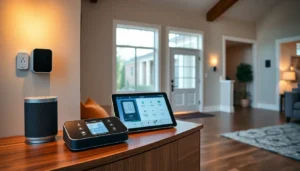
Smart home hubs connect devices from different manufacturers, creating unified control systems. These central controllers eliminate the frustration of switching between multiple apps and incompatible products.
Samsung SmartThings remains a popular hub choice, supporting Zigbee, Z-Wave, and Wi-Fi devices. Amazon Echo devices with built-in Zigbee hubs reduce the need for separate hardware. Apple HomeKit provides seamless integration for iOS users, though device compatibility is more limited.
The Matter standard, launched in late 2022 and now widely adopted, promises better interoperability between brands. Devices certified for Matter work together regardless of manufacturer, simplifying the top smart home tech buying process. Major brands including Apple, Google, Amazon, and Samsung support this standard.
Automation routines represent the true power of integrated smart homes. Morning routines can gradually brighten lights, adjust thermostats, and start coffee makers. Leaving home can trigger lights off, doors locked, and security armed, all automatically. These routines run through hub apps or voice commands.
When choosing a hub, consider which ecosystem you already use. iPhone owners may prefer HomeKit. Android users often find Google Home or SmartThings more convenient. Amazon Alexa works well for those who already own Echo devices.