Table of Contents
ToggleSmart home tech vs traditional home systems represents a choice many homeowners face today. Both options control lighting, security, heating, and entertainment, but they work in fundamentally different ways. Smart home technology connects devices through the internet and allows remote control via smartphones or voice commands. Traditional systems rely on manual switches, standalone thermostats, and wired connections. This guide compares both approaches across key factors: features, costs, convenience, and long-term value. By the end, readers will know which option fits their lifestyle and budget.
Key Takeaways
- Smart home tech offers remote control, energy savings of 10-25%, and enhanced security through connected devices and automation.
- Traditional home systems provide superior reliability, privacy, and lower upfront costs without depending on internet connectivity.
- Smart home tech vs traditional systems shows clear cost differences at purchase, but smart devices often pay for themselves through energy savings within two years.
- Homes with smart features can sell for 3-5% more, making smart home tech a worthwhile investment for property value.
- A hybrid approach combining smart thermostats and video doorbells with traditional switches works well for homeowners seeking balance between convenience and simplicity.
- Start with a single smart device to test the experience before committing to a full smart home system.
What Defines Smart Home Technology
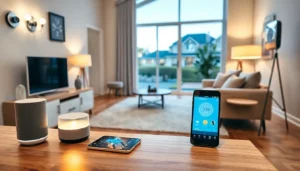
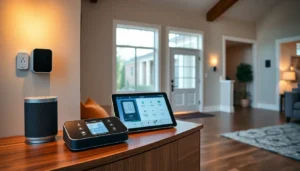
Smart home technology refers to devices that connect to the internet and communicate with each other. These devices include smart thermostats, connected lighting, video doorbells, voice assistants, and automated locks. Users control them through apps, voice commands, or preset schedules.
The core feature of smart home tech is connectivity. A smart thermostat, for example, learns a household’s temperature preferences and adjusts heating or cooling automatically. Smart lights turn on when someone enters a room and dim at bedtime. Video doorbells send alerts to a phone when visitors arrive.
Integration sets smart home tech apart from standalone gadgets. Devices work together through platforms like Amazon Alexa, Google Home, or Apple HomeKit. A single voice command can lock doors, lower blinds, and start a security system simultaneously.
Smart home tech also relies on data. Sensors track motion, temperature, and energy use. This information helps homeowners optimize comfort and reduce utility bills. Many systems offer usage reports and suggest ways to save money.
Installation varies by device. Some smart products replace existing switches or outlets directly. Others require professional setup, especially whole-home systems. Wireless options have made DIY installation easier than ever.
Benefits of Smart Home Tech Over Traditional Systems
Smart home tech offers several advantages that traditional systems cannot match. Convenience tops the list. Homeowners control lights, locks, and thermostats from anywhere with a smartphone. They don’t need to walk across the house to adjust settings or worry about leaving appliances on.
Energy efficiency is another major benefit. Smart thermostats reduce heating and cooling costs by learning schedules and adjusting temperatures when no one is home. Smart plugs cut power to devices in standby mode. Studies show smart home tech can lower energy bills by 10-25% annually.
Security improves with connected devices. Smart cameras, motion sensors, and doorbell cameras provide real-time monitoring. Homeowners receive instant alerts about unusual activity. Smart locks allow keyless entry and temporary access codes for guests or service workers.
Accessibility matters for many households. Voice control helps people with mobility challenges operate lights, locks, and entertainment systems. Automated routines simplify daily tasks for elderly residents or those with disabilities.
Smart home tech also increases property value. Homes with smart features often sell faster and at higher prices. Buyers see connected systems as modern upgrades worth paying for.
The flexibility of smart home tech appeals to renters and homeowners alike. Many devices are portable and easy to reinstall in a new location.
Advantages of Traditional Home Systems
Traditional home systems still hold real advantages for certain homeowners. Reliability ranks first. Wired systems don’t depend on internet connections or cloud servers. A power outage won’t disable a manual lock or a standard light switch.
Simplicity appeals to many users. Traditional systems require no apps, accounts, or software updates. Flip a switch, and the light turns on. Turn a dial, and the thermostat adjusts. There’s no learning curve or troubleshooting involved.
Privacy concerns push some people toward traditional options. Smart home tech collects data about daily habits, schedules, and preferences. This information travels to company servers. Traditional systems keep everything local and offline.
Upfront costs favor traditional systems in most cases. Standard thermostats, light switches, and locks cost less than their smart counterparts. Installation is straightforward and rarely requires professional help.
Longevity is another consideration. Traditional systems often last decades with minimal maintenance. Smart devices may become obsolete when manufacturers stop supporting them or discontinue cloud services.
For homeowners who prefer hands-on control, traditional systems feel more intuitive. Some people simply don’t want to interact with technology to manage basic home functions.
Cost Comparison and Long-Term Value
Smart home tech vs traditional systems presents a clear cost difference at purchase. A basic smart thermostat costs $100-$250, while a standard programmable thermostat runs $25-$50. Smart locks range from $150-$350: traditional deadbolts cost $30-$100.
Installation adds to expenses. Many smart devices require Wi-Fi upgrades, hub purchases, or professional setup. Traditional systems typically need only basic tools and an hour of work.
But, smart home tech often pays for itself over time. Energy savings from smart thermostats can recover the purchase price within two years. Smart lighting reduces electricity use by 5-10% through automation and LED integration.
Maintenance costs differ between the two approaches. Smart devices need occasional firmware updates and battery replacements. Traditional systems rarely require attention beyond basic cleaning or part replacement every decade.
Subscription fees affect long-term costs for some smart home tech. Video doorbells and security cameras often charge $3-$10 monthly for cloud storage. Traditional security systems may have monitoring fees too, but basic setups don’t.
Resale value tips the balance toward smart home tech for many homeowners. Real estate studies show smart features add 3-5% to a home’s selling price. Buyers increasingly expect connected systems as standard amenities.
The best value depends on individual priorities. Frequent travelers and tech-savvy users benefit most from smart home tech. Those seeking low maintenance and lower upfront costs may prefer traditional systems.
Choosing the Right Option for Your Lifestyle
The smart home tech vs traditional systems decision comes down to lifestyle and priorities. Several questions help clarify the choice.
How comfortable is the household with technology? Families who already use apps for banking, shopping, and entertainment will adapt quickly to smart home tech. Those who avoid smartphones may find traditional systems less frustrating.
What matters most, convenience or simplicity? Smart home tech automates daily tasks and offers remote control. Traditional systems work without passwords, Wi-Fi, or troubleshooting.
Does anyone in the home have accessibility needs? Voice control and automation make smart home tech valuable for people with mobility or vision challenges. Traditional systems may require physical effort that poses difficulties.
Is the home a rental or owned property? Renters benefit from portable smart devices they can take when moving. Permanent installations make more sense for homeowners planning to stay long-term.
What’s the internet situation? Reliable, high-speed Wi-Fi is essential for smart home tech. Homes with spotty connections or data caps may struggle with connected devices.
A hybrid approach works for many households. Smart thermostats and video doorbells offer high value with minimal complexity. Traditional switches and locks can handle rooms where automation adds little benefit.
Start small if uncertain. A single smart device lets homeowners test the experience before committing to a full system.