Table of Contents
ToggleSmart home tech tools have changed how people interact with their living spaces. These devices automate everyday tasks, improve energy efficiency, and add convenience to daily routines. From voice-controlled assistants to automated lighting systems, modern homes can now respond to simple commands and learn user preferences over time.
The global smart home market continues to grow rapidly. More households adopt connected devices each year, driven by falling prices and improved functionality. Whether someone wants to control their thermostat remotely or receive alerts when a package arrives, smart home tech tools make it possible. This guide covers the essential devices, ecosystem options, and setup tips that help create a truly connected living space.
Key Takeaways
- Smart home tech tools automate daily tasks, improve energy efficiency, and allow remote control of devices through apps or voice commands.
- Start your smart home journey with high-impact devices like smart speakers, lighting, and thermostats for immediate benefits.
- Choose a primary ecosystem (Amazon Alexa, Google Home, or Apple HomeKit) and look for Matter-compatible devices to ensure seamless integration.
- A strong Wi-Fi network is essential—consider mesh systems to support multiple connected smart home tech tools reliably.
- Set up automation routines to maximize convenience, such as morning wake-up sequences or goodnight routines that control multiple devices at once.
- Name your devices clearly and group them by room for easier voice control and management.
What Makes a Home Smart?
A smart home uses internet-connected devices that communicate with each other and respond to user commands. These smart home tech tools connect through Wi-Fi, Bluetooth, Zigbee, or Z-Wave protocols. Users control them through smartphone apps, voice commands, or automated schedules.
The key difference between a regular home and a smart home lies in automation and remote access. Traditional devices require manual operation. Smart devices operate independently based on triggers, schedules, or learned behaviors. A smart thermostat, for example, learns household patterns and adjusts temperatures automatically. A smart lock can unlock when it detects the owner’s phone nearby.
Smart home tech tools also share data with each other. A motion sensor can trigger lights to turn on. A doorbell camera can send video to a smart display. This interconnection creates a unified system rather than isolated gadgets. The result is a home that anticipates needs and responds accordingly.
Integration matters most in a smart home setup. Devices from different manufacturers should work together seamlessly. This requires choosing compatible products or using a central hub that bridges different protocols.
Must-Have Smart Home Devices
Several categories of smart home tech tools form the foundation of any connected living space. Starting with the right devices ensures a functional system that grows over time.
Smart Speakers and Voice Assistants
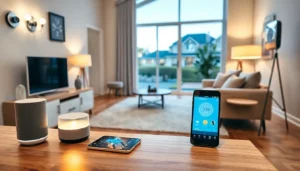
Smart speakers serve as the control center for many homes. Amazon Echo, Google Nest, and Apple HomePod devices respond to voice commands and control other connected products. Users can ask questions, play music, set timers, and manage their entire smart home hands-free.
Voice assistants like Alexa, Google Assistant, and Siri power these speakers. They process natural language and execute commands instantly. Someone can say “turn off the living room lights” without touching a switch. These assistants also support routines, automated sequences triggered by a single command or time of day.
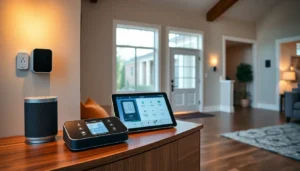
Smart displays add visual feedback to voice control. They show video from doorbell cameras, display recipes, and provide weather forecasts at a glance. For households with multiple smart home tech tools, a display makes management more intuitive.
Smart Lighting and Climate Control
Smart bulbs and switches offer immediate benefits. Philips Hue, LIFX, and Wyze bulbs change color, dim on command, and operate on schedules. Users can simulate occupancy while traveling or wake up to gradually brightening lights. Smart switches control traditional fixtures without replacing every bulb.
Climate control represents another high-impact category. Smart thermostats from Nest, Ecobee, and Honeywell learn household schedules and adjust heating and cooling accordingly. They detect when nobody is home and reduce energy use. Many users report significant savings on utility bills after installing these devices.
Smart home tech tools for climate also include smart vents and window sensors. These products balance temperatures across rooms and alert users when windows are left open while the HVAC runs.
How to Choose the Right Smart Home Ecosystem
Selecting an ecosystem determines which smart home tech tools work together smoothly. The three major platforms, Amazon Alexa, Google Home, and Apple HomeKit, each have strengths and limitations.
Amazon Alexa supports the widest range of third-party devices. Its Skills marketplace offers thousands of integrations, and Echo devices come at various price points. Alexa works well for users who want maximum flexibility and don’t mind mixing brands.
Google Home excels at natural language processing and search integration. It answers complex questions accurately and connects with Google services like Calendar and Maps. Nest devices integrate tightly with this ecosystem. Users invested in Google’s apps often prefer this platform.
Apple HomeKit prioritizes privacy and security. It requires manufacturers to meet strict standards before devices earn HomeKit certification. The ecosystem works best for households already using iPhones, iPads, and Macs. HomeKit offers fewer compatible devices but delivers consistent performance.
The Matter protocol is changing this landscape. This industry standard allows smart home tech tools from different ecosystems to communicate. Devices built with Matter support work across Alexa, Google Home, and HomeKit. Buyers should look for Matter compatibility when purchasing new products.
Consider existing devices before choosing a platform. Switching ecosystems later means replacing or reconfiguring hardware. Most households find success by committing to one primary ecosystem while using Matter-compatible devices for cross-platform needs.
Tips for Setting Up Your Smart Home
A successful smart home setup requires planning and patience. These tips help avoid common mistakes and build a reliable system.
Start with high-impact devices. Smart speakers, lighting, and thermostats deliver immediate value. They demonstrate what smart home tech tools can do without requiring extensive configuration. Add security cameras, locks, and sensors after mastering the basics.
Invest in a strong network. Smart devices depend on reliable Wi-Fi. Older routers struggle with dozens of connected products. Mesh Wi-Fi systems like Eero, Google Wifi, or Orbi provide consistent coverage throughout the home. Some users dedicate a separate network to smart devices for security and performance.
Name devices clearly. Voice commands work best with simple, distinct names. “Kitchen light” beats “LIFX bulb A19 color.” Group devices by room so commands like “turn off the bedroom” control multiple products at once.
Create automation routines. Smart home tech tools shine when they work automatically. A morning routine might turn on lights, start the coffee maker, and read the day’s weather. A goodnight routine can lock doors, lower the thermostat, and arm security cameras. Most platforms make building these routines straightforward.
Update firmware regularly. Manufacturers release updates that fix bugs and patch security vulnerabilities. Enable automatic updates when possible. Check device apps periodically for available upgrades.
Plan for guests. Visitors may struggle with smart switches or unfamiliar interfaces. Keep traditional controls accessible where possible. Some smart switches include physical buttons that work without voice commands or apps.