Table of Contents
ToggleSmart home tech ideas are changing how people live, work, and relax at home. From voice-controlled assistants to automated lighting, these innovations offer convenience, security, and energy savings. The global smart home market is expected to reach $338 billion by 2030, and it’s easy to see why. Homeowners want devices that simplify daily routines and reduce utility bills.
This guide covers the best smart home tech ideas for every room and budget. Whether someone is starting from scratch or upgrading an existing setup, these options deliver real value. Let’s explore the tools that can turn any house into a connected, efficient living space.
Key Takeaways
- Voice-controlled assistants like Amazon Echo and Google Nest serve as the central hub for managing smart home tech ideas efficiently.
- Smart lighting systems can reduce energy consumption by up to 80% while enhancing home security and ambiance.
- Smart thermostats learn household patterns and save 10-15% on heating and cooling costs annually.
- Video doorbells and smart locks provide remote monitoring and keyless entry for improved home security.
- Smart plugs offer an affordable way to turn any existing device into a connected appliance controlled by voice or app.
- Robot vacuums and connected appliances automate everyday tasks, freeing up time for what matters most.
Voice-Controlled Assistants and Smart Speakers
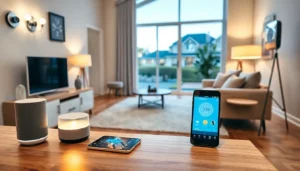
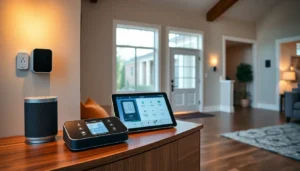
Voice-controlled assistants serve as the brain of most smart home setups. Devices like Amazon Echo, Google Nest, and Apple HomePod respond to voice commands and control other connected gadgets. Users can ask questions, set timers, play music, or adjust thermostats without lifting a finger.
These assistants integrate with thousands of third-party devices. A simple command like “turn off the living room lights” triggers instant action. Many households use multiple speakers throughout the home to create a unified system.
Key Features to Consider
- Multi-room audio: Play music across several rooms simultaneously.
- Smart home hub capability: Some speakers double as hubs for Zigbee or Thread devices.
- Privacy controls: Most assistants now include physical mute buttons and privacy settings.
Voice assistants also support routines. Users can program a “good morning” routine that turns on lights, reads the weather, and starts the coffee maker. These automations save time and add convenience to daily life.
For those exploring smart home tech ideas, a voice assistant is often the best starting point. It provides a central control point and makes other devices easier to manage.
Smart Lighting Systems
Smart lighting ranks among the most popular smart home tech ideas for good reason. These systems let users control brightness, color, and scheduling from a phone or voice command. Brands like Philips Hue, LIFX, and Nanoleaf offer a wide range of options.
Smart bulbs fit into existing fixtures, making installation simple. Users can dim lights for movie night, set warm tones for relaxation, or program lights to turn on at sunset. Motion sensors add another layer of automation, lights can activate when someone enters a room and shut off when it’s empty.
Benefits of Smart Lighting
- Energy savings: LED smart bulbs use up to 80% less energy than incandescent bulbs.
- Security: Vacation mode simulates occupancy by turning lights on and off randomly.
- Mood customization: Choose from millions of colors to match any occasion.
Smart light switches offer an alternative for those who prefer traditional bulbs. These switches control entire circuits and work with any bulb type. Some models include dimming features and built-in motion detection.
Outdoor smart lighting extends the benefits beyond interior spaces. Pathway lights, floodlights, and porch lights can all be controlled remotely. This adds curb appeal and improves home security after dark.
Automated Climate Control
Smart thermostats represent one of the most practical smart home tech ideas available today. Devices from Nest, Ecobee, and Honeywell learn household patterns and adjust temperatures automatically. This reduces energy waste and lowers utility bills.
A smart thermostat tracks when residents are home, asleep, or away. It adjusts heating and cooling accordingly. Some models use geofencing to detect when users leave or approach the house. The system pre-heats or pre-cools spaces before arrival.
Advanced Climate Features
- Room sensors: Place sensors in different rooms to balance temperatures throughout the home.
- Energy reports: Monthly summaries show usage patterns and savings opportunities.
- Integration: Connect with smart vents and fans for zone-based climate control.
Smart ceiling fans and portable AC units add further control. Many connect to Wi-Fi and respond to voice commands or app controls. Users can create schedules or trigger fans based on temperature thresholds.
The average household saves 10-15% on heating and cooling costs with a smart thermostat. That adds up to real money over time, making this one of the smartest investments in home automation.
Smart Security and Surveillance
Home security is a top priority for many people exploring smart home tech ideas. Smart cameras, doorbells, and locks provide peace of mind and remote monitoring capabilities. Ring, Arlo, and Wyze offer popular options at various price points.
Video doorbells let homeowners see and speak with visitors from anywhere. When someone rings the bell, or triggers motion detection, the homeowner receives an alert on their phone. Two-way audio allows conversation without opening the door.
Essential Security Components
- Smart locks: Keyless entry via codes, fingerprints, or phone apps. Users can grant temporary access to guests or service providers.
- Indoor and outdoor cameras: Live feeds and recorded footage accessible from any device.
- Window and door sensors: Instant alerts when entry points open unexpectedly.
Professional monitoring services are available but not required. Many homeowners prefer self-monitoring to avoid monthly fees. Cloud storage plans keep footage accessible for days or weeks.
Smart security systems integrate with other devices. Cameras can trigger lights when motion is detected. Locks can automatically engage when users leave the house. These connections create a comprehensive security network.
For renters, wireless options offer easy installation without permanent modifications. Most smart security devices run on batteries and connect via Wi-Fi.
Connected Appliances and Entertainment
Smart appliances bring convenience to kitchens, laundry rooms, and living areas. Refrigerators with touchscreens track groceries and suggest recipes. Washing machines send notifications when cycles finish. Ovens preheat remotely so dinner prep starts on time.
These smart home tech ideas extend to smaller gadgets too. Smart plugs turn any device into a connected one. Plug in a lamp, fan, or coffee maker, then control it via app or voice. Some plugs monitor energy usage, helping users identify power-hungry devices.
Entertainment Upgrades
- Smart TVs and streaming devices: Voice search, app integration, and screen casting from phones and tablets.
- Multi-room audio systems: Sonos, Bose, and other brands offer speakers that sync across the home.
- Smart remotes: Universal remotes like Logitech Harmony control TVs, sound systems, and streaming boxes from one device.
Robot vacuums and mops handle floor cleaning automatically. Models from iRobot, Roborock, and Ecovacs map home layouts and avoid obstacles. Users can schedule cleanings or start them with a voice command.
Garage door controllers add smart features to existing openers. Check if the door is closed from anywhere and open or close it remotely. Alerts notify users if the door stays open too long.