Table of Contents
ToggleSmart home tech examples are everywhere in 2025, and they’re changing how people live, work, and relax at home. From voice-controlled speakers to refrigerators that order groceries, these devices offer convenience, energy savings, and peace of mind. The global smart home market now exceeds $150 billion, and adoption rates continue to climb each year.
But which devices actually deliver value? This guide covers the most popular smart home tech examples across six categories. Whether someone wants to automate their lighting, secure their property, or simply talk to their thermostat, there’s a device for that.
Key Takeaways
- Smart home tech examples in 2025 span six major categories, including voice assistants, lighting, thermostats, security, and appliances—offering convenience, savings, and peace of mind.
- Voice assistants like Amazon Alexa, Google Assistant, and Apple Siri serve as affordable control hubs, starting at just $30 to $150.
- Smart lighting systems use LED technology to reduce energy consumption by up to 75% while adding security features like vacation mode.
- Smart thermostats save homeowners an average of $50 per year on energy bills and typically pay for themselves within three to five years.
- Home security devices, including video doorbells and smart locks, allow remote monitoring and keyless entry from anywhere via smartphone.
- Smart appliances like robot vacuums and Wi-Fi-enabled refrigerators automate everyday tasks, though they come at a higher price point than traditional options.
Voice Assistants and Smart Speakers
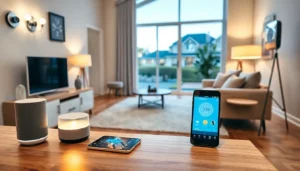
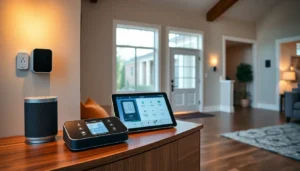
Voice assistants serve as the control center for most smart homes. Amazon Alexa, Google Assistant, and Apple Siri respond to voice commands, play music, answer questions, and control other connected devices.
The Amazon Echo remains one of the best-selling smart home tech examples on the market. Users can ask Alexa to dim lights, lock doors, set reminders, and read the news. Google Nest speakers offer similar features with tight integration into Google’s ecosystem. Apple’s HomePod works best for households already using iPhones and iPads.
These devices do more than play podcasts. They act as hubs that connect dozens of other smart products. A single voice command can trigger multiple actions, like turning off all lights, locking the front door, and setting the thermostat to 68 degrees.
Choosing the Right Voice Assistant
The best choice depends on existing devices and preferences. Amazon Alexa supports the widest range of third-party products. Google Assistant excels at answering questions and integrating with Android phones. Siri offers the strongest privacy protections but works with fewer smart home brands.
Most voice assistants cost between $30 and $150, making them an affordable entry point into smart home technology.
Smart Lighting Systems
Smart lighting systems let homeowners control bulbs and fixtures from their phone or voice. These smart home tech examples save energy and create ambiance with minimal effort.
Philips Hue leads the smart lighting market. Their bulbs connect via a central hub and offer 16 million color options. Users can schedule lights to turn on at sunset, sync them with movies, or wake up to a gradual sunrise effect. LIFX bulbs skip the hub entirely and connect directly to Wi-Fi.
Smart switches offer another approach. Instead of replacing bulbs, homeowners install smart switches that control existing fixtures. Lutron Caseta and TP-Link Kasa switches work with standard bulbs and integrate with major voice assistants.
Benefits of Smart Lighting
Energy savings stand out as a key benefit. Smart bulbs use LED technology that consumes 75% less energy than incandescent options. Scheduling features ensure lights don’t stay on in empty rooms.
Security improves too. Vacation mode simulates occupancy by turning lights on and off at random intervals. This deters potential intruders while homeowners travel.
Most smart bulbs cost $15 to $50 each. A starter kit with a hub and several bulbs runs around $100 to $200.
Smart Thermostats and Climate Control
Smart thermostats rank among the most practical smart home tech examples available. They learn household patterns, adjust temperatures automatically, and reduce energy bills.
The Nest Learning Thermostat pioneered this category. It tracks when residents leave and return, then adjusts heating and cooling accordingly. After a week of manual adjustments, it creates a schedule on its own. The Ecobee SmartThermostat includes a built-in voice assistant and room sensors that detect occupancy in different areas.
Honeywell Home T9 offers another solid option with geofencing capabilities. It uses smartphone location data to determine when someone approaches home and pre-conditions the space.
Real Savings
Energy Star estimates that smart thermostats save homeowners an average of $50 per year on heating and cooling costs. Some utility companies offer rebates that offset the initial purchase price.
These devices also provide detailed energy reports. Users can see exactly how much they spent on heating last month and compare it to previous periods. This data helps identify inefficiencies and optimize settings.
Smart thermostats typically cost between $150 and $250. Most homeowners recoup this investment within three to five years through energy savings.
Home Security and Surveillance Devices
Home security devices represent some of the fastest-growing smart home tech examples. These products monitor properties, alert homeowners to threats, and deter crime.
Video doorbells changed how people answer their doors. Ring and Google Nest Doorbell cameras show who’s outside via smartphone app, whether the homeowner sits on the couch or vacations overseas. Motion detection triggers alerts and records footage automatically.
Smart locks eliminate the need for physical keys. August and Schlage locks allow entry via smartphone, PIN code, or fingerprint. Homeowners can grant temporary access to guests or service workers and receive notifications when someone enters.
Complete Security Systems
Full security systems combine multiple smart home tech examples into one package. SimpliSafe and Ring Alarm offer DIY installation with professional monitoring options. These kits include door sensors, motion detectors, keypads, and sirens.
Outdoor cameras from Arlo and Wyze provide 24/7 surveillance with night vision and two-way audio. Cloud storage plans keep footage accessible for weeks or months.
Pricing varies widely. A basic video doorbell costs around $100. A complete security system with professional monitoring runs $15 to $30 per month plus equipment costs.
Smart Appliances for Everyday Convenience
Smart appliances bring automation into kitchens, laundry rooms, and garages. These smart home tech examples handle routine tasks with less manual input.
Smart refrigerators from Samsung and LG feature internal cameras, touchscreen displays, and inventory tracking. Users check what’s inside from the grocery store. Some models suggest recipes based on available ingredients.
Robot vacuums like the iRobot Roomba and Roborock S8 clean floors on schedule. They map rooms, avoid obstacles, and return to their charging docks automatically. Premium models empty their own dustbins.
Laundry and Kitchen Automation
Smart washers and dryers send notifications when cycles complete. LG ThinQ and Samsung SmartThings apps let users start loads remotely and download specialized wash cycles.
Smart ovens offer precise temperature control and remote monitoring. The June Oven uses internal cameras and AI to identify food and recommend cooking settings. Air fryers and instant pots with Wi-Fi connectivity provide similar remote control features.
Garage door openers from Chamberlain MyQ integrate with major smart home platforms. Homeowners can open or close garage doors from anywhere and receive alerts when doors remain open.
Smart appliances cost more than traditional versions. A smart refrigerator runs $1,500 to $4,000, while robot vacuums range from $200 to $1,000.