Table of Contents
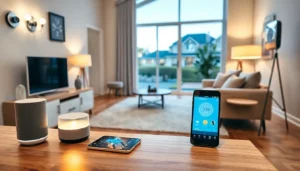
ToggleThe best smart home tech can turn an ordinary house into a connected, efficient living space. From voice-controlled assistants to automated lighting, these devices offer convenience that was science fiction just a decade ago. Today, homeowners can control temperature, security, and energy usage from their smartphones. This guide covers the top smart home tech categories worth considering. Each section breaks down what these devices do, why they matter, and which options stand out in 2025.
Key Takeaways
- The best smart home tech transforms ordinary homes into connected, efficient spaces through voice assistants, automated lighting, and smart security devices.
- Smart thermostats like Google Nest and Ecobee can save 10-15% on heating and cooling costs by learning household patterns automatically.
- Smart speakers serve as the command center for your setup—choose an ecosystem (Amazon, Google, or Apple) that matches your existing devices to avoid compatibility issues.
- Smart plugs offer the easiest and most affordable entry point, turning any appliance into a connected device with scheduling, voice control, and energy monitoring.
- Security devices like video doorbells, smart locks, and wireless cameras now provide professional-grade protection without requiring monthly monitoring fees.
- Smart lighting systems deliver immediate impact with energy savings, security simulation, and wake-up routines—plus bulbs last 15,000 to 25,000 hours.
Smart Speakers and Voice Assistants
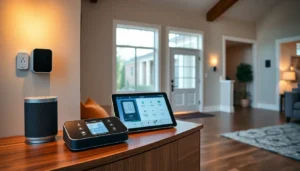
Smart speakers serve as the command center for best smart home tech setups. These devices respond to voice commands and connect with other smart devices throughout the home.
Amazon Echo remains one of the most popular choices. Its Alexa assistant can play music, answer questions, control lights, and manage shopping lists. The Echo Dot offers similar features at a lower price point, making it ideal for beginners.
Google Nest Audio competes directly with Amazon’s lineup. Google Assistant excels at answering complex questions and integrates smoothly with Google services. Users who rely on Gmail, Google Calendar, or YouTube often prefer this ecosystem.
Apple HomePod mini appeals to iPhone users. Siri handles requests, plays Apple Music, and works with HomeKit-compatible devices. The sound quality punches above its price class.
Most smart speakers now include:
- Multi-room audio support
- Intercom features between rooms
- Smart home device control
- Routine automation
When choosing a smart speaker, consider which ecosystem fits your existing devices. Mixing ecosystems can create compatibility headaches.
Smart Lighting Systems
Smart lighting systems rank among the best smart home tech investments for immediate impact. They change how people interact with their homes daily.
Philips Hue leads the smart lighting market. The system offers bulbs, light strips, and outdoor fixtures. Users can set millions of colors, create scenes, and schedule lights to match their routines. The Hue Bridge connects up to 50 lights and enables advanced automations.
WYZE bulbs provide budget-friendly alternatives. These Wi-Fi-connected bulbs cost a fraction of premium options. They work without a hub and connect directly to home networks.
Nanoleaf panels add decorative flair. These modular light panels mount on walls and display dynamic patterns. Gamers and content creators often use them as backdrop lighting.
Smart lighting offers practical benefits beyond aesthetics:
- Energy savings through scheduling and motion sensors
- Security features that simulate occupancy while away
- Wake-up routines that gradually brighten in the morning
- Voice control integration with major assistants
Smart bulbs typically last 15,000 to 25,000 hours. The upfront cost pays off through reduced energy bills and longer lifespans than traditional bulbs.
Smart Thermostats and Climate Control
Smart thermostats deliver some of the best smart home tech returns on investment. These devices learn household patterns and adjust temperatures automatically.
Google Nest Learning Thermostat pioneered this category. It studies when residents leave and return, then creates schedules without manual programming. The device claims to save users 10-15% on heating and cooling costs annually.
Ecobee SmartThermostat includes room sensors. These sensors detect occupancy and temperature in different areas. The system then balances comfort across the entire home rather than just the hallway where thermostats typically hang.
Amazon acquired Ring and now offers the Ring Thermostat at a competitive price. It integrates with Alexa and provides energy-saving features without the premium cost.
Key features to consider:
- Learning capabilities that adapt to schedules
- Remote sensors for multi-room monitoring
- Geofencing that detects when residents leave or approach home
- Energy reports showing usage patterns
- Utility rebate eligibility (many providers offer $50-100 rebates)
Installation requires a C-wire in most cases. Newer models include adapters for homes without this wire. Professional installation costs $75-150 but ensures proper setup.
Smart Security Devices
Smart security devices represent essential best smart home tech for safety-conscious homeowners. Modern systems offer professional-grade protection without monthly monitoring fees.
Ring Video Doorbell changed home security. Residents can see and speak with visitors from anywhere via smartphone. Motion detection alerts notify homeowners of activity at their door.
Arlo cameras provide wireless outdoor monitoring. Battery-powered models eliminate the need for electrical wiring. The cameras record in 4K resolution and feature color night vision.
Simplisafe offers complete security systems. The DIY installation takes about 30 minutes. Optional professional monitoring costs less than traditional security companies.
Smart locks from August and Schlage add another security layer. Residents can:
- Lock and unlock doors remotely
- Create temporary access codes for guests
- Receive alerts when doors open
- Auto-lock doors after a set time
Integration matters with security devices. The best smart home tech setups connect cameras, doorbells, locks, and sensors into unified systems. When the doorbell detects motion, lights can turn on automatically. When residents arm the system at night, doors can lock and lights can dim.
Smart Plugs and Power Management
Smart plugs offer the easiest entry point into best smart home tech. These devices turn any appliance into a connected device.
TP-Link Kasa plugs provide reliable performance at affordable prices. They connect to Wi-Fi without requiring a hub. The app shows energy consumption for each connected device.
Amazon Smart Plug works exclusively with Alexa. Setup takes under a minute through the Alexa app. The compact design doesn’t block adjacent outlets.
Wemo plugs support Apple HomeKit, Google Assistant, and Amazon Alexa. This broad compatibility suits households with mixed ecosystems.
Practical uses for smart plugs include:
- Turning lamps on and off by schedule or voice
- Controlling coffee makers to brew before waking
- Shutting off space heaters automatically
- Monitoring energy usage of specific appliances
- Creating presence simulation while traveling
Smart power strips extend these capabilities. They provide individual control over multiple outlets. Surge protection safeguards expensive electronics.
Energy monitoring reveals surprising usage patterns. Many homeowners discover phantom loads, devices that draw power even when “off.” Smart plugs can eliminate this waste by cutting power completely during unused hours.